Categories
Home News

Franciscan 800th Event

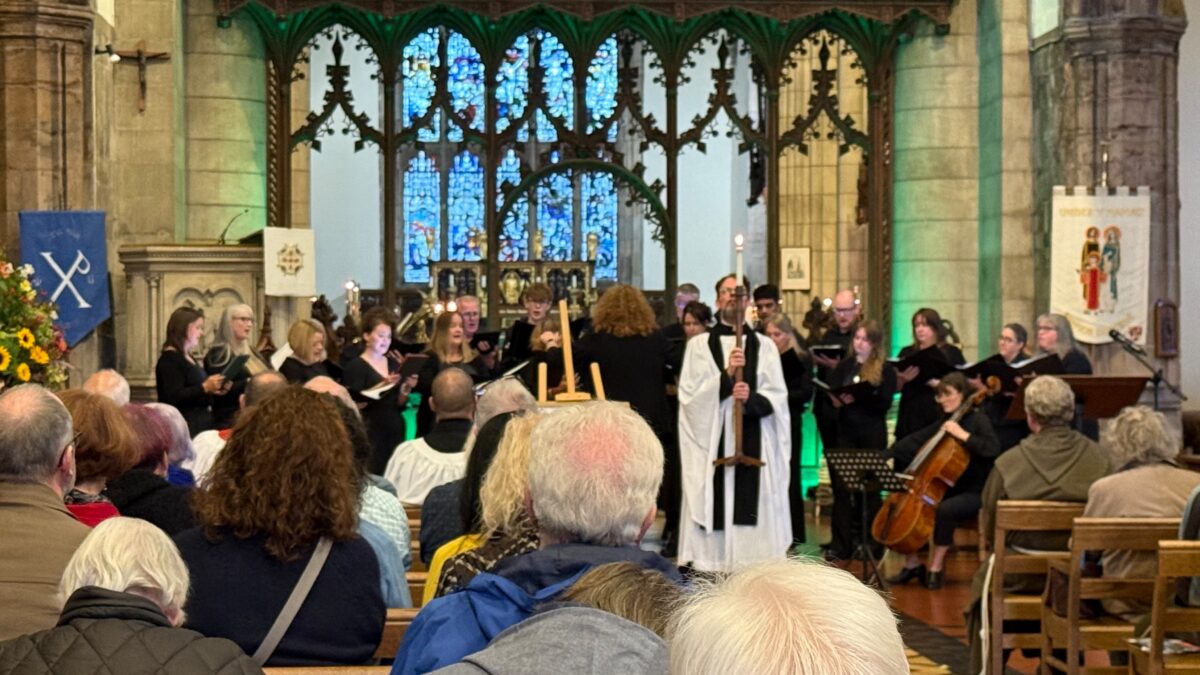
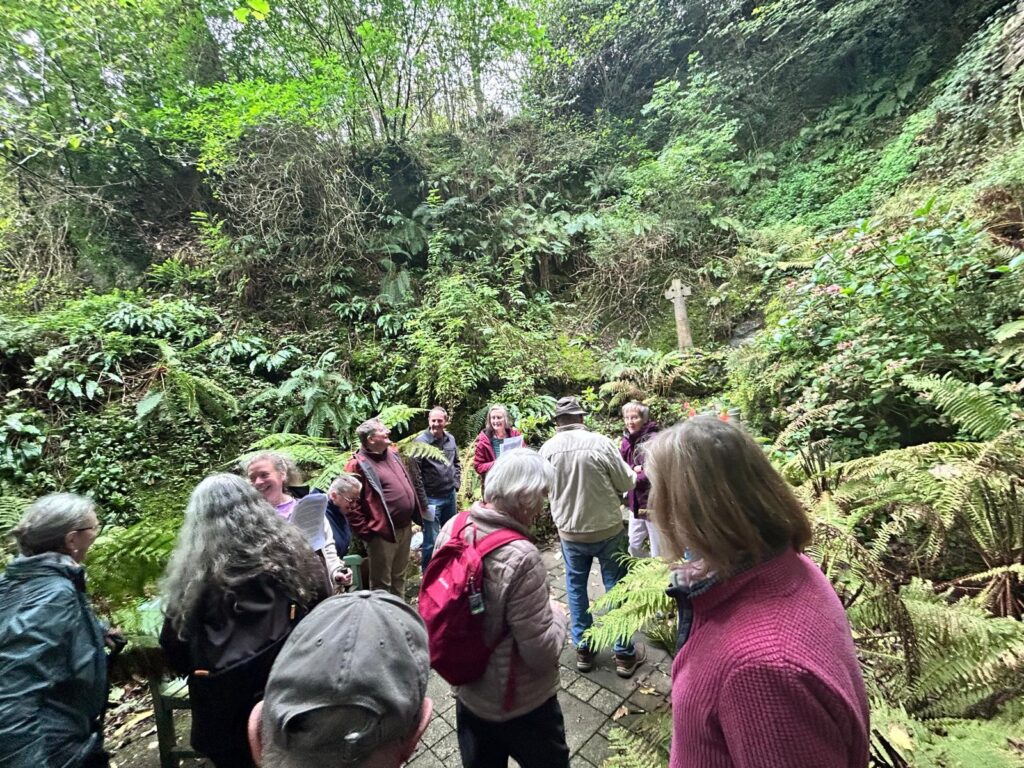
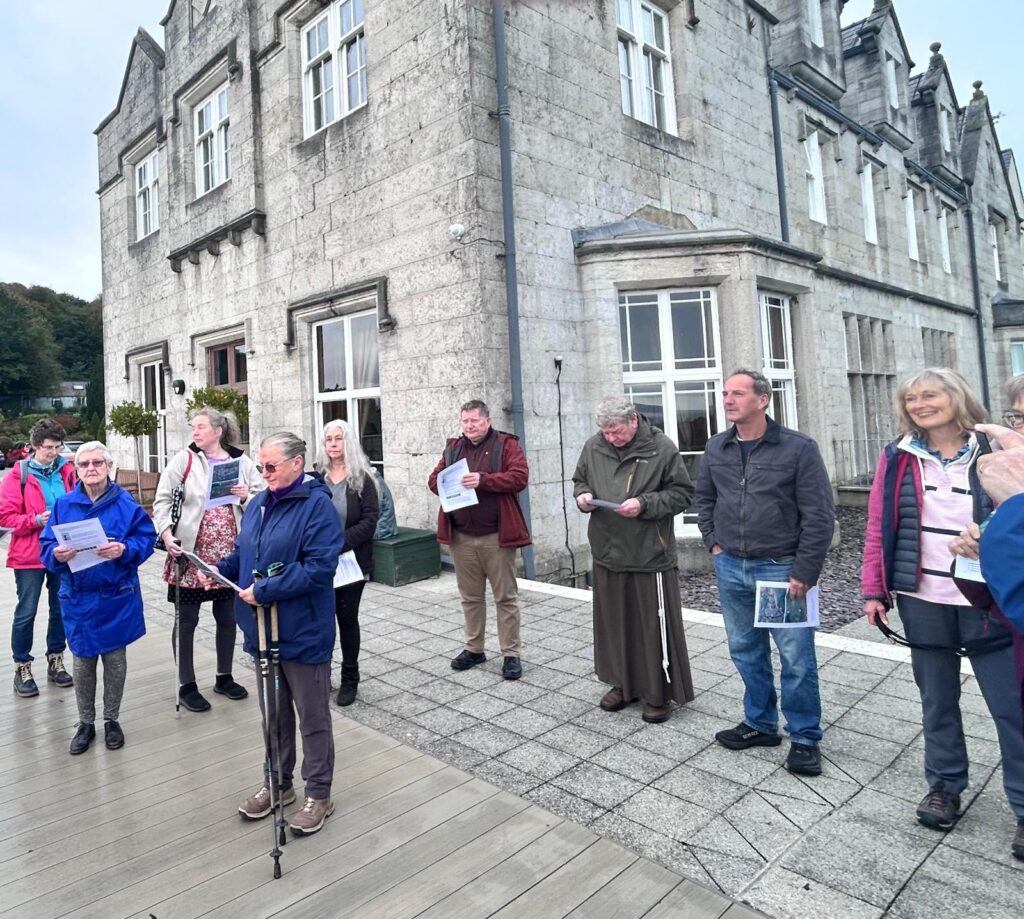
Glorious music new and old and prayerful reflection marked the Francis 800 events over the weekend of 3rd and fourth October led by tertiary Franciscans based in North Wales and enjoyed by 80+ participants in person and 25+ online from St Asaph to New Jersey USA!

On Saturday, brother John SSF, the guardian of Hilfield Franciscan friary in Dorset, shared thoughts on the meaning of “repair my house”; the words heard by Saint Francis as he prayed before the cross at San Damiano.

After sharing his own Franciscan journey and some context, revealing similarities between 13th century Italy and our times, John asked participants to consider broadening their understanding of God’s house from simply “the church” to include the entirety of the created order. He suggested reflecting on Francis’ last hope that Christ would teach his brothers ‘what was theirs to do’ and asked participants to reflect on what is *ours* to do now in the spirit of Francis. He suggested this might include being present in the community to those ‘not like us’ but In whom Christ may be seen reflected.

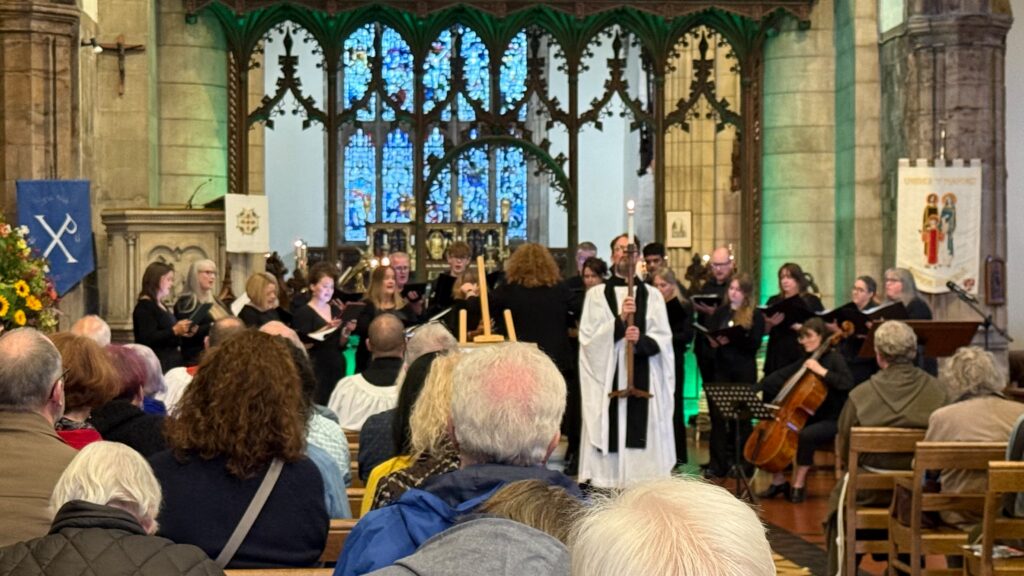
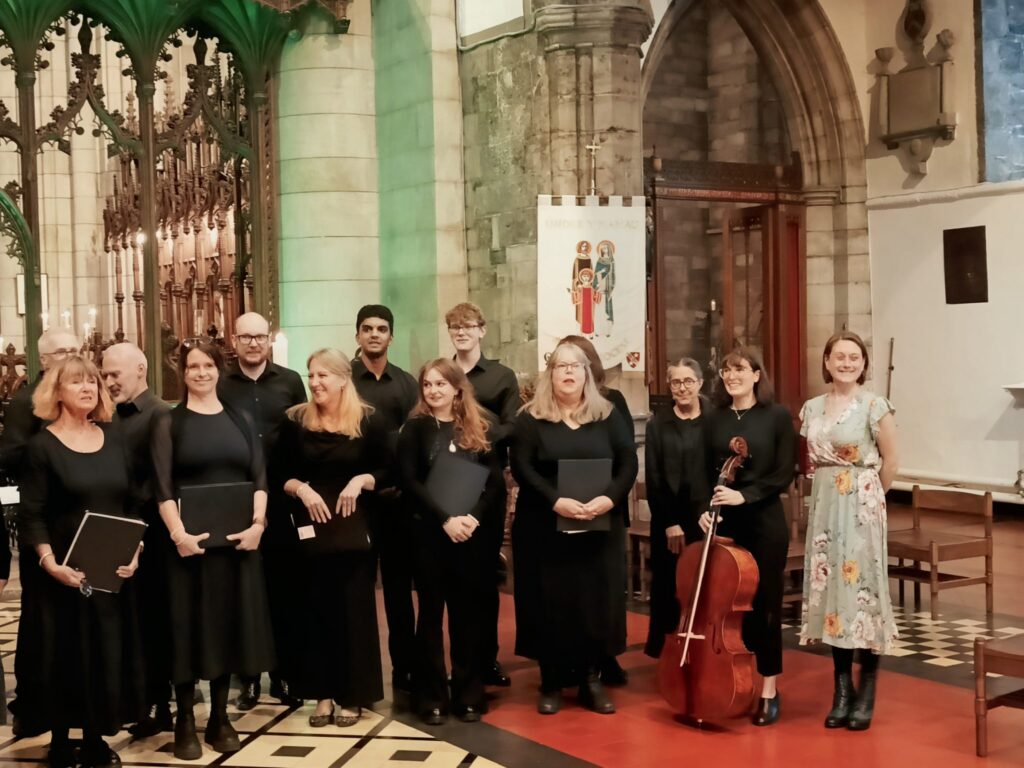
The day culminated in a prayerful *transitus* service marking the passing of Francis from earthly to eternal life and premiering new choral works by Gareth Glyn (mab a’n rhodded) and Ellen Davies (nunc dimittis) sung by Kana choir with cellist Anastasia Zaponidou.

Francis of Assisi was musical and wrote the Canticle of the creatures – also heard during the service together with two Salutations to the Virgin Mary written for the celebrations by Stafford based composer Andrew Baker. Baker watched the livestream of the service and said afterwards

“It was an inspiring and moving service. The words and music were beautifully chosen and placed. The nunc dimittis was haunting with the cello adding shadows and depth.”

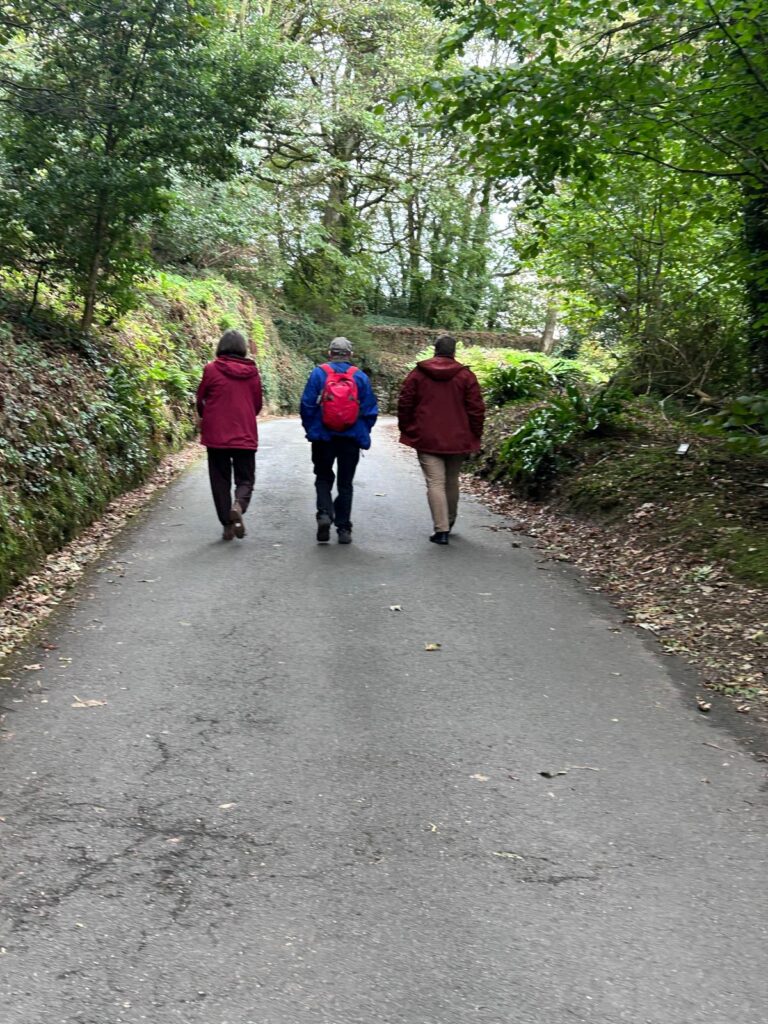
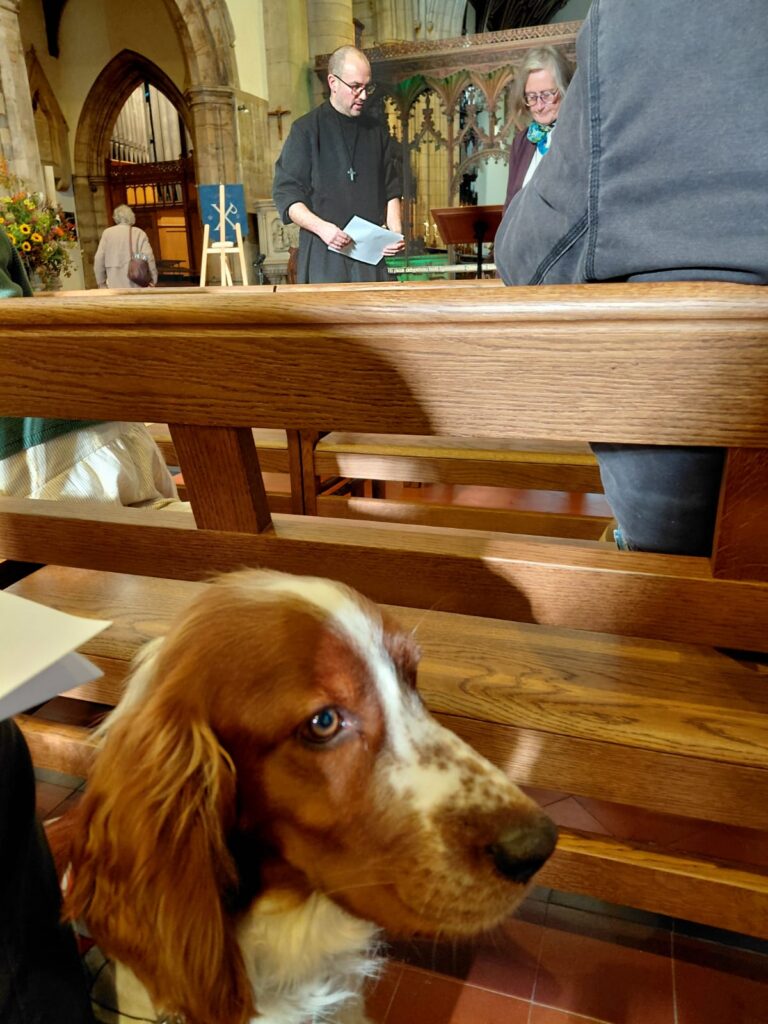
On Sunday, the pilgrimage walk from Llanfaes to Beaumaris , Anglesey explored local links with Francis. A joyful Franciscan flavoured eucharistic service followed in Beaumaris church led by Rev’d Huw Butler with input from North Wales Tertiaries and Brother John.

The weekend was marked by humility, joy, simplicity, music and prayerful reflection, as is fitting for “the little poor man of Assisi”  who sought to follow Christ so faithfully and whom we try to follow in turn.  .

Grateful thanks to + Manon and Dean Tracy, Rev’d Andy Broadbent TSSF and Brendon Burmester from Bangor Cathedral plus Rev’d Peter Pike TSSF Rev’d Canon Michael Balkwill TSSF and Rev’d Jampa King TSSF plus Rev’d Huw Butler and all the tertiaries who took part.

Special thanks to Kana choir and Anastasia Zaponidou and John SSF for their part in this unique celebration.

Categories
News

Bellringers!

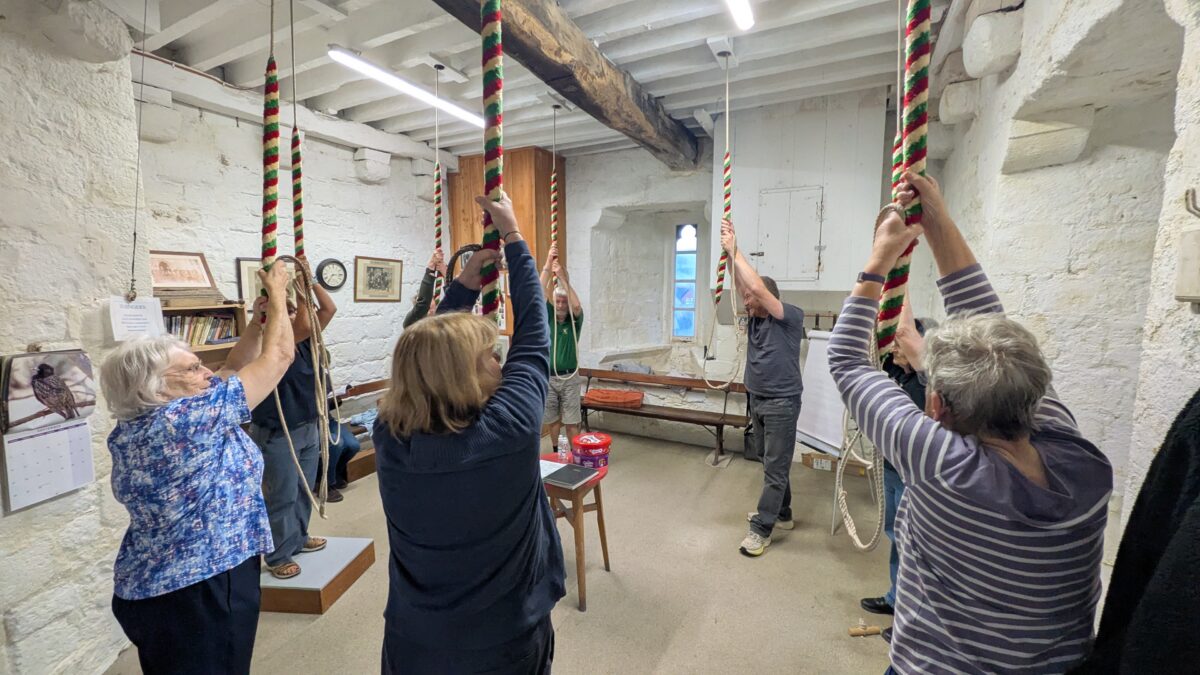
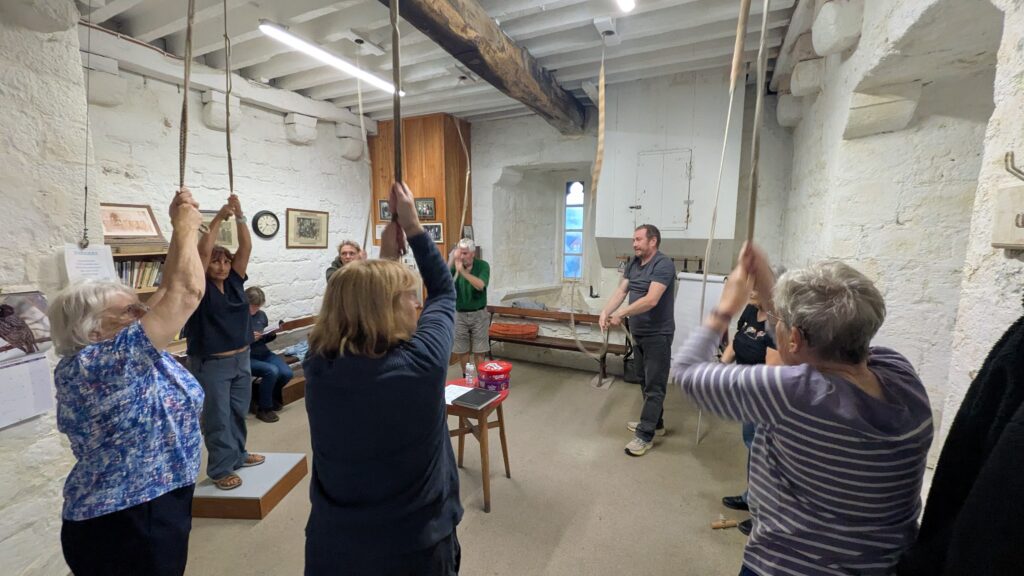
Interested in joining our friendly team of bellringers?

Have you been a bellringer in the past or would you be interested in exploring this wonderful hobby? Our Bellringing team would love to hear from you. We practice most Monday nights at 7pm. Please contact Rick for further information.

Visiting Ringers welcome. Please contact our Bellringing Captain, Rick: beaumarisbellringers@gmail.com

The Beaumaris bells

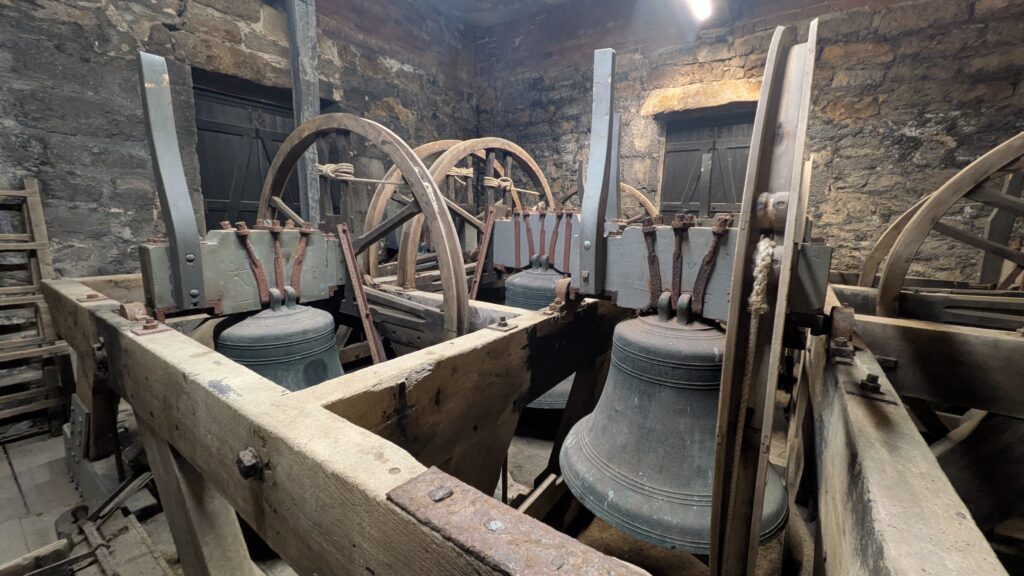
The bells are in St Mary and St Nicholas’s Church, the substantial medieval parish church in Church Street, Beaumaris. They form a ring of eight bells, hung for traditional full-circle change ringing. The tenor – the largest bell – weighs about 12 cwt, roughly 610 kg, and is tuned to A-flat.[dove.cccbr.org]

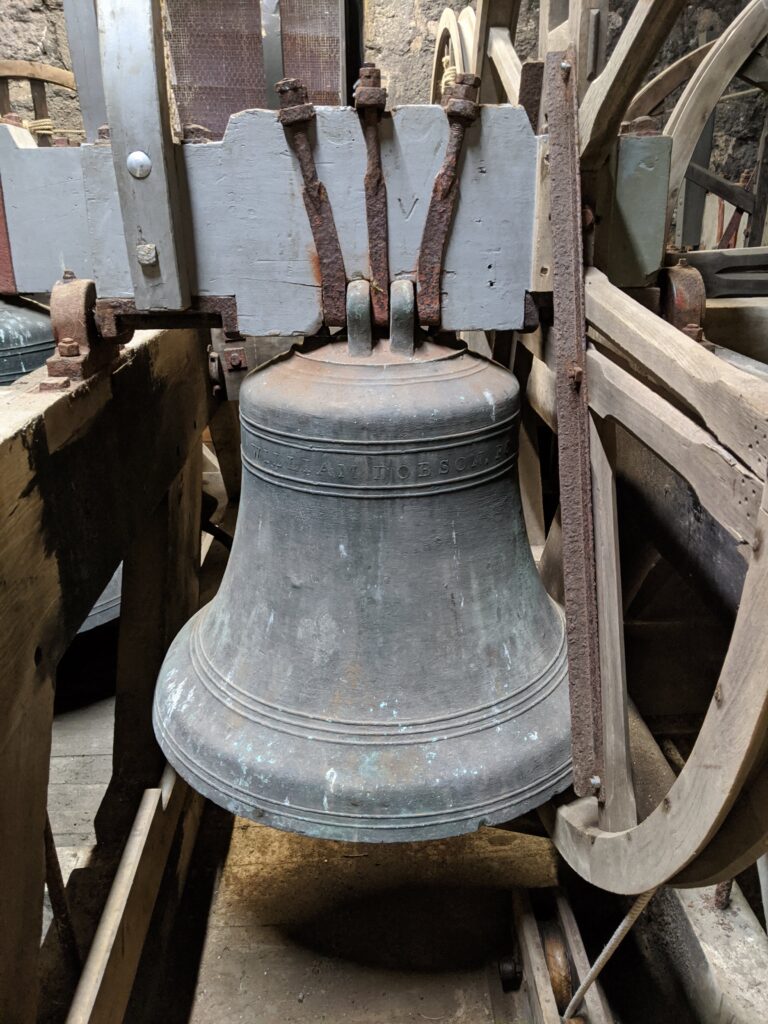
The ring was created in 1819, when the bells were cast by William Dobson, a noted bell-founder based in Downham Market. Six of today’s bells are from that original 1819 ring. The two trebles – the highest-pitched bells – were added or recast in 1904 by James Barwell & Co.[dove.cccbr.org]

BellDateFounderApprox. weight
Treble 11904James Barwell & Co.3¾ cwt
Treble 21904James Barwell & Co.4 cwt
31819William Dobson4½ cwt
41819William Dobson4¾ cwt
51819William Dobson5½ cwt
61819William Dobson6½ cwt
71819William Dobson8½ cwt
Tenor1819William Dobson12 cwt

The tower and clock

The church tower is medieval, but its upper part was remodelled in the nineteenth century. That work included the installation of the bells and a clock, so the present ringing installation belongs to a later phase in the history of a church whose nave, aisles and tower largely date from the early fourteenth century.[anglesey-history.co]

The tower also has four clock faces. Their mechanism is maintained by Beaumaris Town Council, reflecting the tower’s continuing civic as well as religious role.[en.wikipedia]

Ringing tradition

These are not merely bells sounded by machinery: they are a working change-ringing peal. Each bell is mounted on a wheel and can be swung through a full circle by a ringer. By changing the order in which the bells sound, ringers produce patterns known as methods- for example, Plain Bob Major. Beaumaris has hosted recorded peals and other ringing performances, and its listed practice night is Monday evening.[dove.cccbr.org][nwacbr]

The ring underwent a major overhaul in 1960 by Mears & Stainbank, one of Britain’s historic bell-hanging and bell-founding firms. The bells are mounted in two oak frames: most are in the older frame dating from about 1819, while bells 3 and 4 occupy a separate 1904 frame.[dove.cccbr.org]

Categories
News

ST FFRANSIS / FRANCIS AC BRO SEIRIOL

Cysylltiadau hanesyddol rhwng Sant Ffransis ac Ynys Môn/ 

Historical links between St Francis and Ynys Môn (Anglesey)Scroll down for English

Gweler map a: https://www.google.com/maps/@53.269774,-4.1611461,11z?entry=ttu&g_ep=EgoyMDI2MDUxNy4wIKXMDSoASAFQAw%3D%3D

Ym 1224, cyrhaeddodd naw brawd Ffransisgaidd, a anfonwyd gan Sant Ffransis ei hun, Brydain.

Credir mai’r Fynachlog Ffransisgaidd gyntaf yng Nghymru oedd yr un a sefydlwyd yn Llanfaes ger Biwmares, Ynys Môn, gan y Tywysog Llywelyn ap Iorwerth ym 1237 er cof am ei wraig, Joan. Gwyddom, ar ôl glanio yn Dover ar gwch bach ym 1224, fod y brodyr wedi symud i’r gogledd o Gaergaint i Rydychen, gan gyrraedd Iwerddon erbyn 1230 a sefydlu tai ar y ffordd. Mae’n ymddangos yn debygol iawn y byddent wedi mynd drwy Wynedd ar y ffordd i Iwerddon, gan fod Llanfaes ar y pryd yn borthladd masnachu amlwg ar Ynys Môn, oedd yn cysylltu gogledd Cymru â Lloegr ac Iwerddon. Os felly, byddai’n rhaid iddynt fod wedi cael caniatâd i deithio gan Llywelyn ap Iorwerth, y tywysog lleol pwerus o Wynedd, ac mae’n debygol mai dyma’r rheswm dros sefydlu mynachlog Ffransisgaidd yn gynnar yn y fan hon. 

Madog ap Gwallter – brawd Ffransisgaidd wedi’i leoli ym mynachlog Llanfaes oddeutu 1285 – a ysgrifennodd y gerdd stori’r geni gyntaf sydd wedi goroesi yn Gymraeg…”Mab a’n Rhodded” (sy’n ymddangos yn Llyfr Coch Hergest) ynghyd â cherddi eraill ganddo ef a straeon o’r Mabinogion. 

Pedair llinell o’r gerdd, wedi’u gosod yn dynn ar ffurf cynghanedd,

fel y’i gosodwyd yn wreiddiol mewn Cymraeg cynnar yw:

Ych ac acsen               Arglwydd presen           preseb piau,

A sopen wair              yn lle cadair                 i’n Llyw cadau;

Pali ny myn,               nid uriael gwyn            ei ginhynnau,

Yn lle syndal               yn ynghylch ei wal        gwelid carpau.

Ych ac asyn, Arglwydd y byd hwn,

Eu preseb yw ei breseb,

Swp o wellt yn lle cadair

I’n Harglwydd y Lluoedd.

Nid yw’n dymuno sidan,

Na dillad drud;

Yn lle cynfasau sidanaidd o gwmpas ei wely,

         Carpiau a welwyd.”

Enwir Madog ap Gwallter ymhlith Beirdd y Tywysogion, neu’r Gogynfeirdd (beirdd cynnar Cymru). Roedd yn frodor o le o’r enw Llanfihangel ac er bod llawer o leoedd gyda’r enw hwn yng Nghymru, os oedd yn rhan o’r gymuned Ffransisgaidd yn Llanfaes, mae’n bosibl iawn ei fod yn dod o’r Llanfihangel sydd wedi’i leoli ychydig filltiroedd i’r gogledd-ddwyrain o Fiwmares…

Mae Mab a’n Rhodded wedi’i osod i gerddoriaeth ar gyfer côr SATB gan y cyfansoddwr o Ynys Môn, Gareth Glyn a gydadau wedi berfformiad agoriadol o waith corawl gan y cyfansoddwyr o Ynys Môn, Gareth Glyn (Mab a’n Rhodded) ac Ellen Davies (Nunc Dimittis), wedi’u pefformio gan Gôr Kana, gyda’r canwr soddgrwth Dr. Anastasia Zaponidou i nodi 800 mlynedd ers marwolaeth Sant Ffransis o Assisi.

Y gwasanaeth yn wedi gael ei recordio ar https://www.youtube.com/channel/UCWTENaNgnVYa5M7cx3sRr1A

. …………………………………………………………………………………………………

Historical links between St Francis and Ynys Môn (Anglesey) 

See map at: https://www.google.com/maps/@53.269774,-4.1611461,11z?entry=ttu&g_ep=EgoyMDI2MDUxNy4wIKXMDSoASAFQAw%3D%3D

In 1224 nine Franciscan friars, sent by St Francis himself, arrived in Britain.

The first Franciscan Friary in Wales is thought to be the one established at Llanfaes near Beaumaris, Ynys Môn, by Prince  Llewelyn ap Iowerth in 1237 in memory of his wife Joan. Later, a few other friaries were established in Wales, including the 20th Century community at Henllys, also in Llanfaes, (now an HPB hotel ).

We know that after landing in Dover in a small boat in 1224, the friars moved north from Canterbury to Oxford, reaching Ireland by 1230 and establishing houses on the way. It seems very likely they would have passed through Gwynedd on route to Ireland as Llanfaes was at the time a major trading port on Ynys Môn, linking North Wales to both England and Ireland. If so, they would have had to seek permission to travel from Llewelyn ap Iowerth the powerful local prince of Gwynedd and this is likely the reason for the early establishment of a Franciscan friary here. 

It was Madog ap Gwallter – a Franciscan friar based at Llanfaes friary around 1285 -who wrote the first surviving Nativity poem in Welsh…”Mab a’n Rhodded” (which appears in the Red Book of Hergest (Llyfyr Coch Hergest) along with other poems by him and stories from the Mabinogion. 

Four lines of the poem, tightly worked in the spare cynghanedd form,

as originally set out in early Welsh are:

Ych ac acsen               Arglwydd presen           preseb piau,

A sopen wair              yn lle cadair                 i’n Llyw cadau;

Pali ny myn,               nid uriael gwyn            ei ginhynnau,

Yn lle syndal               yn ynghylch ei wal        gwelid carpau.

( An ox and an ass, Lord of this world,

Their manger is his,

A bundle of hay instead of a cradle

For our Lord of Hosts.

No silk he wishes, no fine fabrics)

Are his swaddlings;

Instead of sandal round his bed

         Were seen tatters.”

Madog ap Gwallter is named among the Beirdd y Tywysogion (the poets of the princes), or the Gogynfeirdd (early Welsh poets).He was a native of a place called Llanfihangel and though there are many such places in Wales, if he was part of the Franciscan community at Llanfaes, it is quite possible he was from the Llanfihangel located a few miles North East of Beaumaris…

 Mab a’n Rhodded has been set to music for a SATB choir by Anglesey based composer Gareth Glyn and performed by Kana choir in Bangor Cathedral on 3rd October 2026 at 5pm during the Francis 800 celebration marking 800 years since the death of St Francis of Assisi. 

Livestream recording at https://www.youtube.com/channel/UCWTENaNgnVYa5M7cx3sRr1A. 

Categories
News

Anglesey Pilgrimage Festival

There are many events happening over the weekend. This is the programme. For more details the main website can be found here.

Programme

Friday 3rd July

10.00St Dona, LlanddonaPilgrim Walk to St Michael, Llanfihangel (with Huw Butler & Anna Riley, duration approx. 1.5 hours)  
11.30St Seiriol, PenmonCreate your own Pilgrim Stamp Design with Emily Thompson

Saturday 4th July

10.00St Michael, LlanfihangelPilgrim Walk to St Seiriol, Penmon (with Huw Butler & Anna Riley, duration approx. 1.5 hours)  
12.00St Seiriol, PenmonInformal Cello Recital by Ellen Davies  
14.00St Gwenfaen, RhoscolynPilgrim Walk to St Gwenfaen’s Holy Well. Followed by tea and cake in the Church Hall.  
14.00St Bigail, LlanfigailTalk by Andrew Davidson ‘Sacred Sites and Ancient Landscapes: the story of St Bigail’s church’.  
18.00St Gallgo, LlanallgoAfter the Wreck: a Voice from 1859’. A One-Man Dramalogue about the Royal Charter tragedy performed by Peter Day. Light refreshments  

Sunday 5th July

09.30St Dona, LlanddonaPilgrim Prayers leading into a circular walk around a section of the Pilgrimage Route (duration around an hour)
11.00St Seiriol, PenmonPilgrimage Communion Service followed by a Blessing at St. Seiriol’s Well.  
15.00St Michael, LlanfihangelGweddi Pererin / Pilgrim Prayers leading into a circular walk around a section of the Pilgrimage Route (duration around an hour)  
15.00St Cybi, HolyheadCymanfa Ganu celebration  
16.30St Seiriol, PenmonConcert with the Kana Choir (1 hour)
Categories
News

Toddlers and care home residents join forces for musical trail on Anglesey

Pre-school children and elderly residents from Llangoed-based Haulfre Care Home are coming together for a musical storytelling trail in Llangoed, Anglesey on Sunday 29 March as part of the Aberlleiniog Sculpture Trail 2026.

The event brings together Camau Bach, a play group run by Bro Seiriol Ministry Area – a group of Anglican churches in the Beaumaris area – and residents of Haulfre care home in what organisers describe as a chance for different generations to share creative fun.

Residents, most of whom are in their 70s and 80s, will play alongside the children in the weeks leading up to the event to create props and scenery for the trail. Three workshops will take place at the care home, where residents and children will rehearse together and produce artwork to be used in the performance. For more details see the full press release:

https://bangor.eglwysyngnghymru.org.uk/newyddion/2026/03/10/plant-bach-phreswylwyr-cartref-gofal-yn-uno-ar-gyfer-llwybr-cerddorol-ar-ynys-mon

Categories
News

St Marys & St Nicholas’s Church

A great video tour of our Church in Beaumaris.

Categories
News

St Davids Day Celebration

Welsh Cakes & Daffodils!

Categories
News

Prayer for Lent & Holy Week

I invite you to offer the following prayer each day as we travel together through this holy season:

Arglwydd Iesu Grist, diolchwn am yr holl fendithion a enillaist ti i ni, am yr holl boenau a’r gwawd a ddygaist drosom. Drugarocaf waredwr, gyfaill a brawd, boed i ni dy adnabod yn gliriach, dy garu yn anwylach, a’th ganlyn yn ffyddlonach, o ddydd i ddydd. Amen.

Lord Jesus Christ, we thank you for all the benefits you have won for us, for all the pains and insults you have borne for us. Most merciful redeemer, friend and brother, may we know you more clearly, love you more dearly, and follow you more nearly, day by day. Amen

With prayers for the keeping of a Holy Lent,

Huw

Categories
News

Christmas Services

Here is a handy summary of all the Bro Seiriol Services and Events over the Christmas Period.

Categories
News

Is St Nicholas Santa?!

Our church at Beaumaris is dedicated to two important saints, St. Mary (the mother of Jesus) and St. Nicholas (“Santa Claus”), both of which are particularly associated with the season of Christmas.

We are probably all familiar with Mary from the accounts contained within the gospels and retold through popular school nativity plays, carols and Christmas cards. However, I wonder how much you know about St. Nicholas? All of us know about “Santa”, “Father Christmas” or “Siôn Corn” and the many stories and legends which accompany him linking into our “Christmas” celebrations. But what about the man behind the many names he has become known by?

St. Nicholas was a Greek Christian who lived during the early 4th century going on to become Bishop of Myra (located in what is now modern Turkey) during times of great change within the life of the early church. Nicholas was upheld as a “hero of the faith” in sharing the good news of God’s love and remembered especially for his generosity and kindness towards others. In recognition of his special holiness as a follower of Jesus he became recognised as a saint. His feast day falls on 6th December each year.

Traditions were passed down through the centuries of his special care for children. One account describes how he rescued three poor girls from potential human trafficking (prostitution) by providing money to be offered as dowries for them, dropping the bags of gold anonymously down the chimney of their house. Another more gruesome story tells how he saved three children who were at the point of being killed and pickled by a rogue butcher during a time of famine. (This story is depicted in the stained glass window at the Lady Chapel in Beaumaris Church which features St. Nicholas and two children in a “pickling tub”).

From early times, especially in relation to the famous Italian port of Bari, St. Nicholas’ chief fame was as the patron saint of sailors. Stories tell of him calming a storm at sea and saving three innocent soldiers from wrongful execution. This is why many churches dedicated to St. Nicholas can be found in coastal areas. It was probably for this reason that Beaumaris Church was partly dedicated in his honour as the growing town in the 14th century became the major port for the Isle of Anglesey.